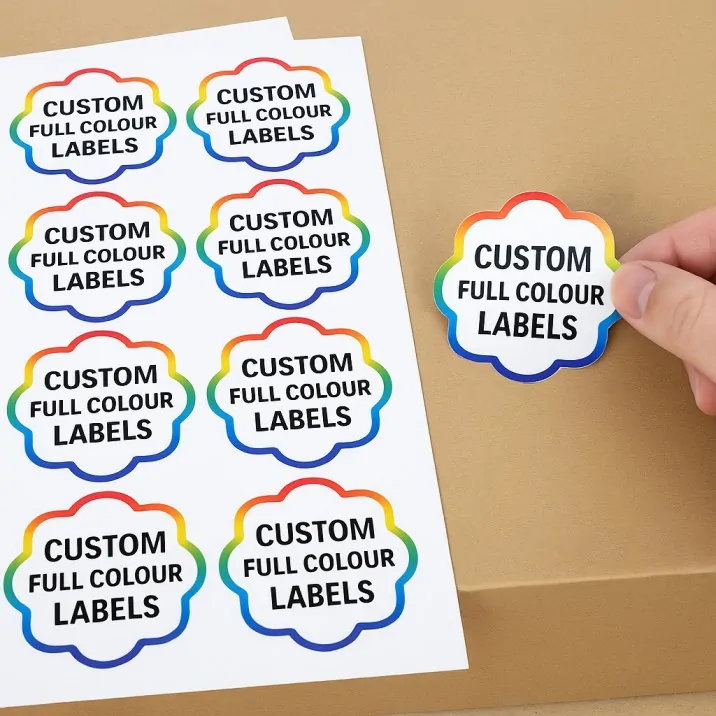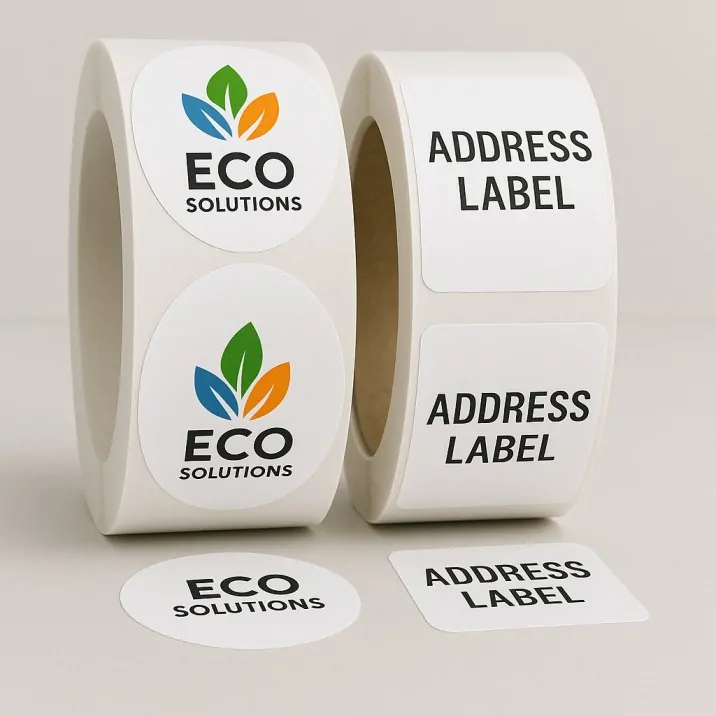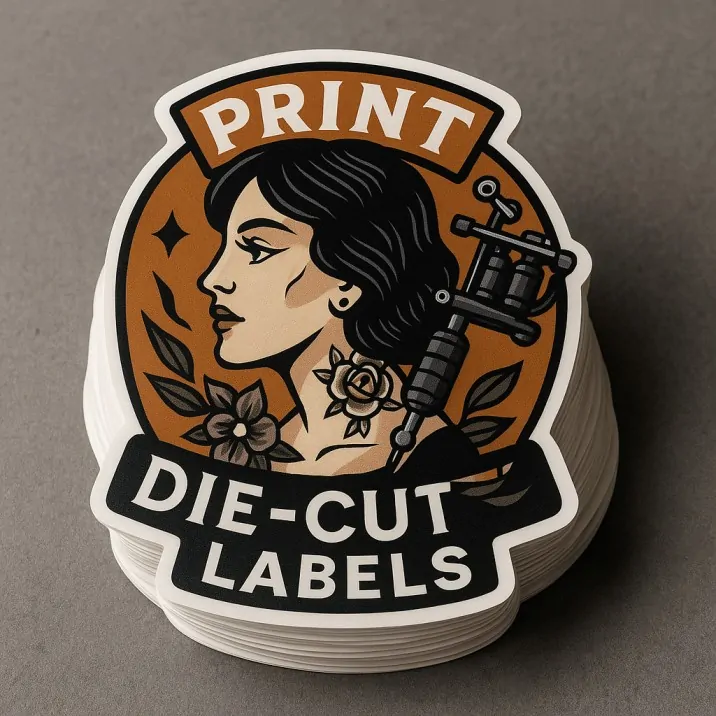


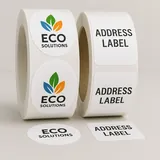
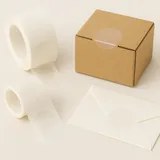
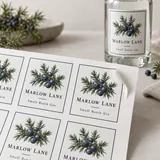

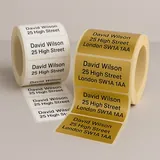
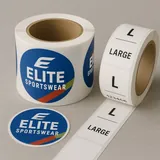
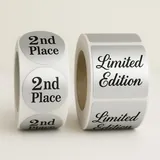

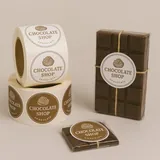
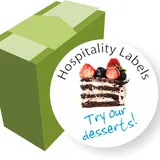
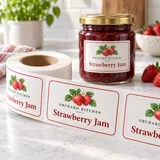
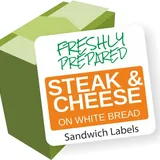
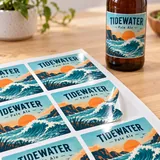
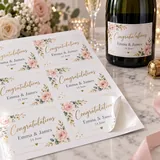
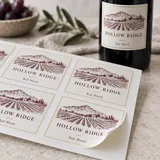
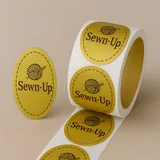
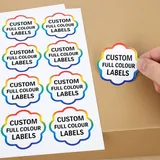


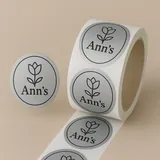
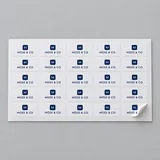
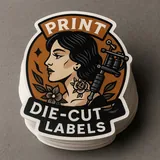
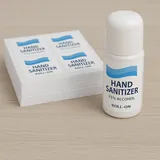
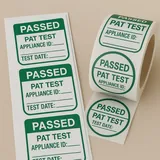
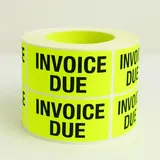
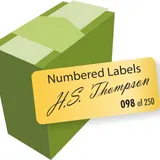
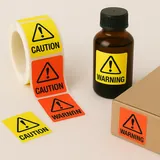
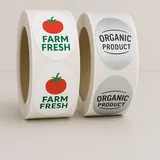
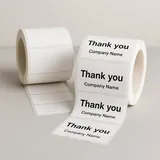
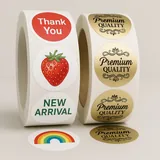
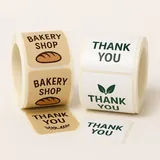
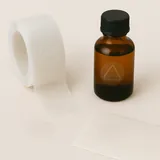
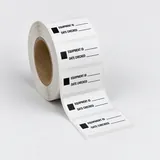
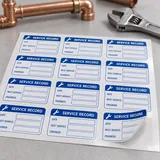
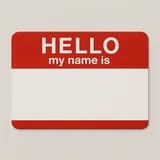

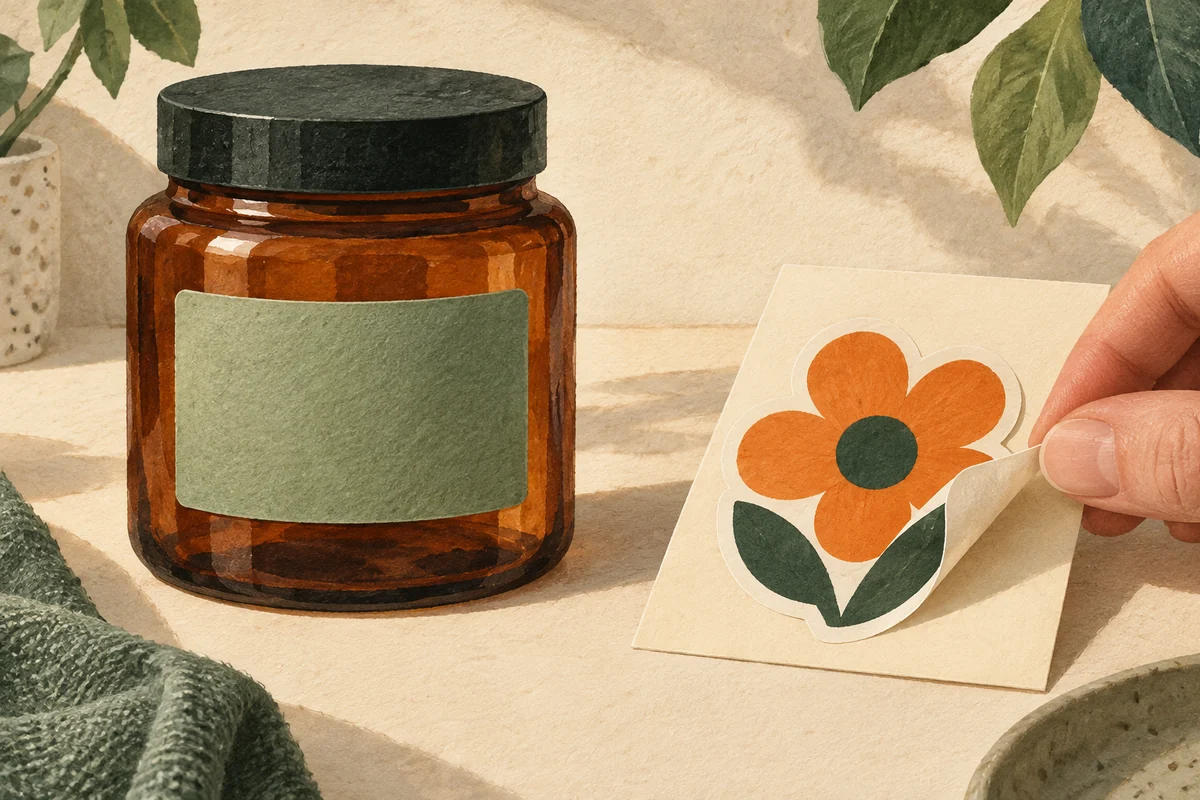
Labels and stickers use the same basic idea: printed material with an adhesive backing. The words usually describe how the print is used. A label explains or identifies something; a sticker often decorates or promotes it. One design can do both.
What is a label?
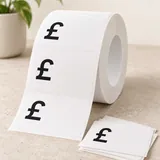
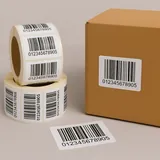
A label gives useful information: a delivery address, product name, price, ingredient list, stock code or care instruction. Branding can sit alongside that information, but the reader should still be able to find what they need quickly.
What is a sticker?
A sticker often carries a logo, illustration or campaign message. It might be handed out, used to seal packaging or applied to a notebook. A promotional sticker can become a product label when it is used to identify the contents of a box.
The material matters more than the name
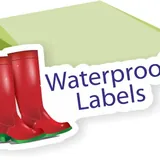
Choose according to the surface and the conditions. Paper can suit dry indoor packaging. Vinyl may be worth considering for moisture or outdoor exposure, subject to the exact material, print and adhesive specification. A sticker is not automatically waterproof, and a label is not automatically temporary.
- For parcels and correspondence, start with address labels.
- For branded packaging, compare custom printed stickers.
- For wet conditions, check the specification of waterproof labels.
What to decide before ordering
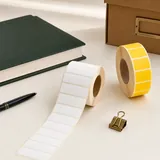
Measure the space, choose the finish and decide whether you need rolls, sheets or individually cut pieces. Check the minimum quantity and available sizes on the product page. A quick mock-up at actual size helps you judge readability before you send the artwork.
Read the next guide
For choosing labels, continue with Labels – Back to Basics.