






From the archive. This feature records a past story or printing practice. Product details and services may have changed; use current product pages for ordering.
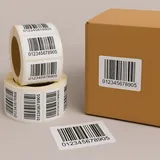
Stickers are familiar because they are simple to use: peel, position and press. Behind that small action is a combination of material, adhesive, printing and cutting that determines how the sticker behaves.
From labels to stickers
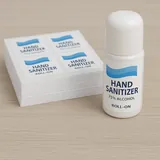
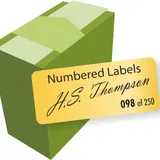
Avery Dennison places a key milestone for the modern self-adhesive label in 1935, when Ray Stanton Avery founded Avery Adhesives. Today, the word “sticker” is often used for decorative and promotional print, while “label” tends to describe identification and information.
How a sticker is built
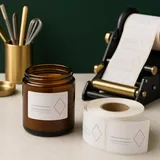
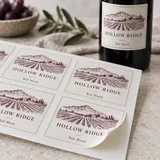
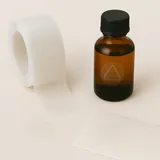
The printable face sits above an adhesive layer, with a release liner underneath. The liner is removed when the sticker is applied. Face material and adhesive affect its appearance, handling and suitability for a surface.
Printing and cutting shape the result
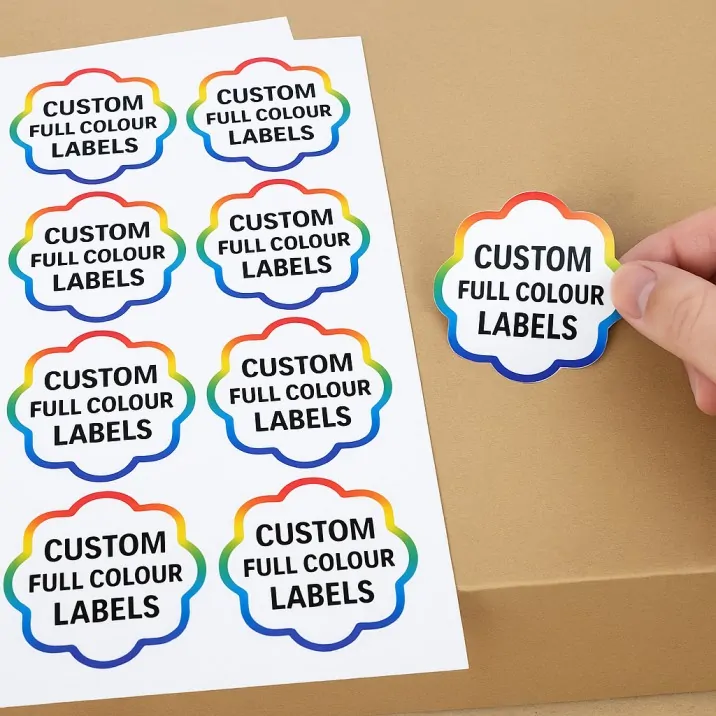
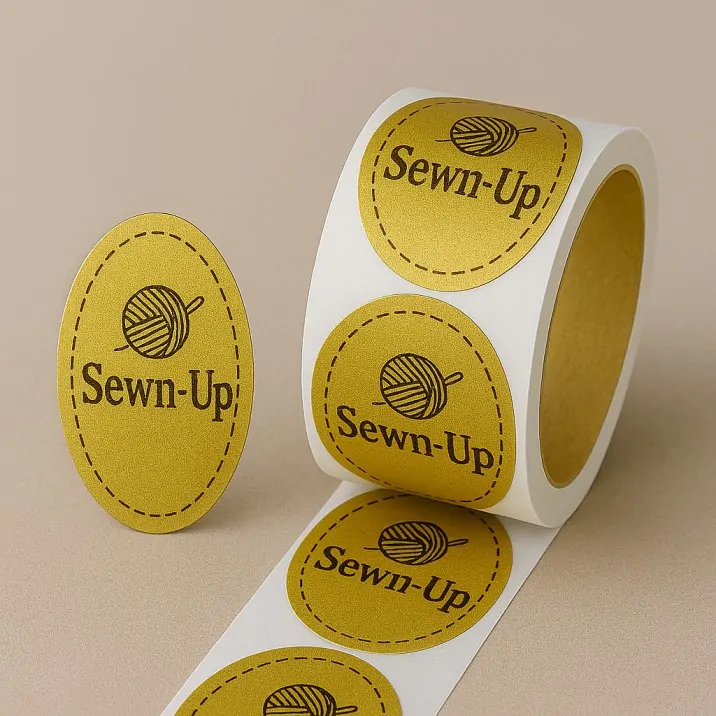
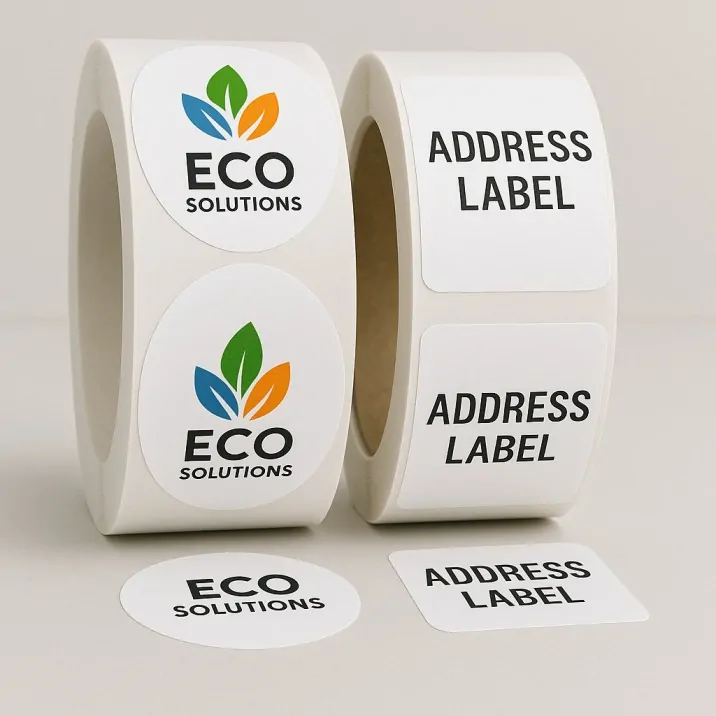
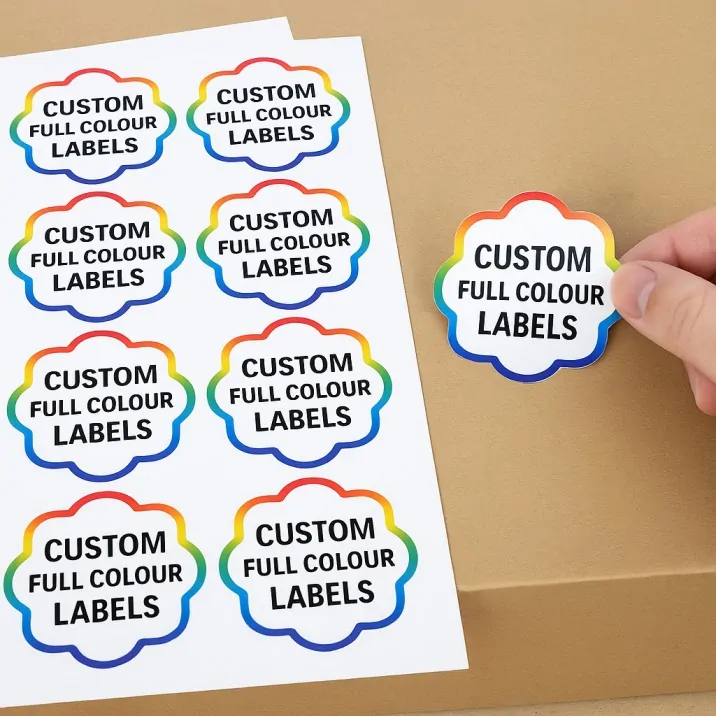
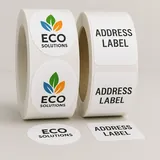
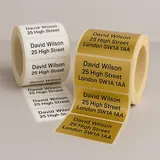
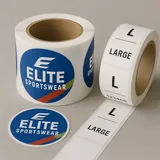
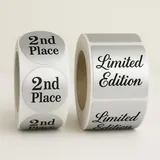
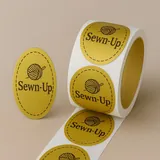
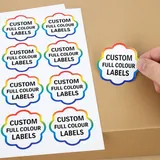
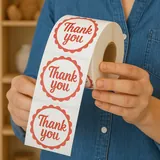
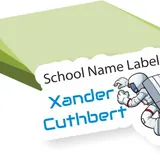
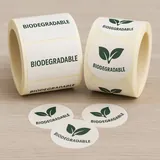
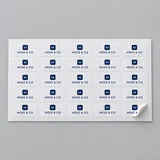
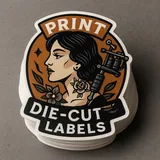
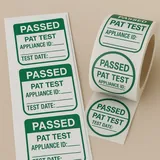
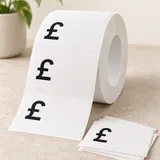
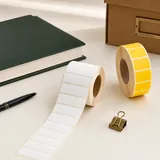
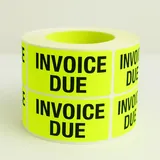
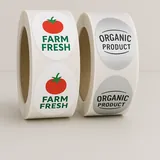
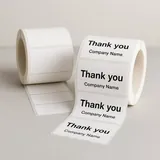
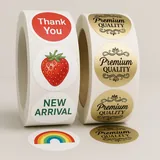
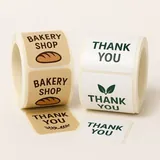
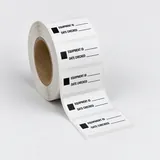
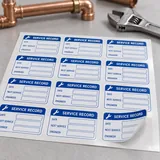
A design can be printed in a standard shape or cut around an outline. Kiss cutting leaves the backing intact; die cutting can cut through the backing as well. The supply format affects how easy the finished pieces are to handle and give away.
Why stickers became useful for branding
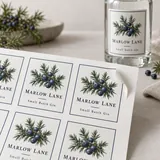
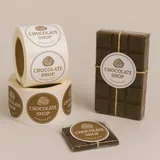
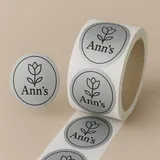
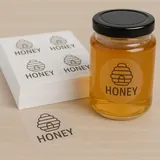
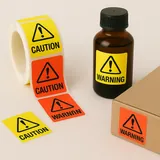
A small print can repeat a logo across packaging, parcels or promotional handouts. The best design still needs to suit its surroundings: clear contrast, readable text and a shape that fits the available space.
Choose for the job today
Start with custom stickers for current options. For a shaped giveaway, compare die-cut vinyl stickers. Confirm adhesion and removal requirements before applying them to a painted or delicate surface.