









From the archive. This feature records a past story or printing practice. Product details and services may have changed; use current product pages for ordering.
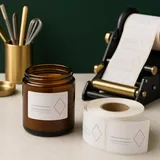
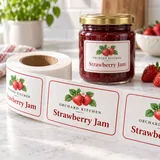
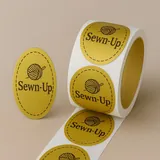
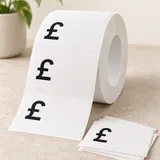
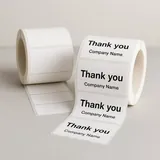
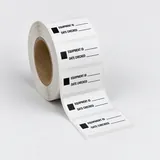
A self-adhesive label combines a printable face material with an adhesive and a backing liner. That construction made it possible to apply a label without wetting a gum coating or adding glue by hand.
A milestone in 1935
Avery Dennison records that Ray Stanton Avery invented the first self-adhesive label and founded Avery Adhesives in 1935. It is a useful milestone for the modern label industry, rather than a claim that all earlier forms of labels and stickers began at that point.
Why the backing liner matters
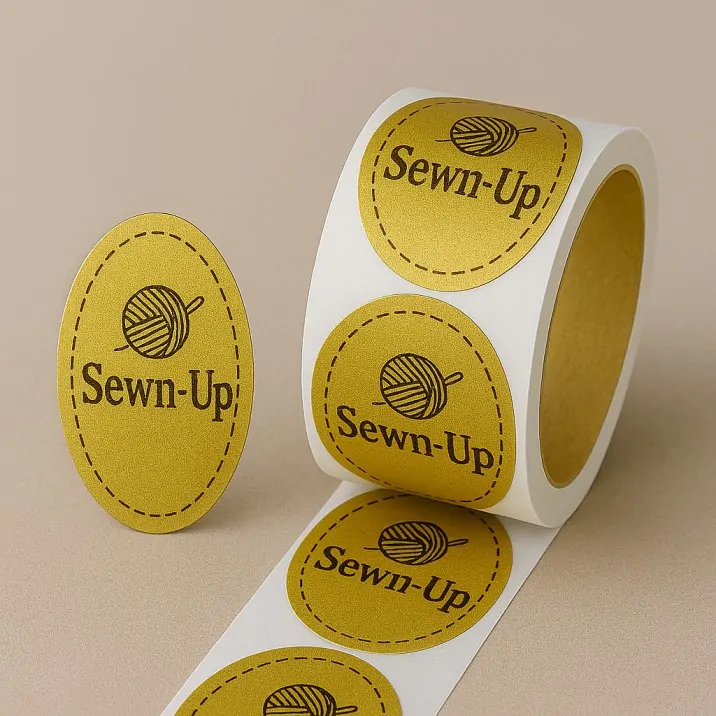
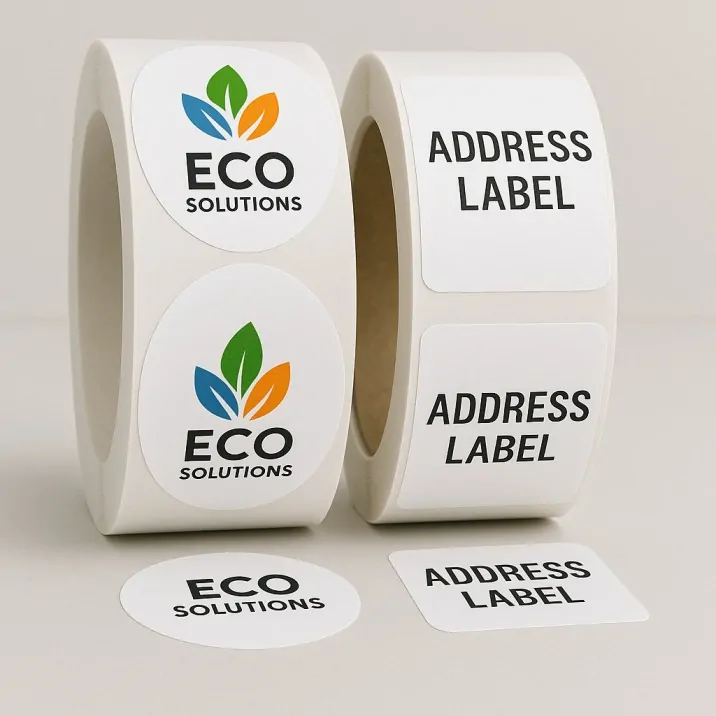
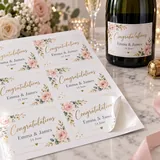
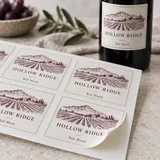
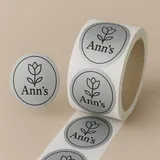
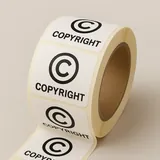
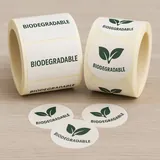
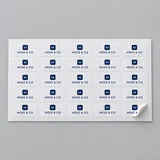
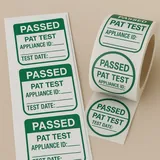
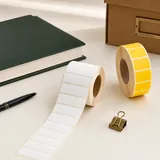
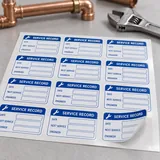
The liner protects the adhesive until application and carries labels through printing and cutting. Labels can be supplied on rolls or sheets, and the backing makes it easier to store and handle them before use.
Printing for different applications
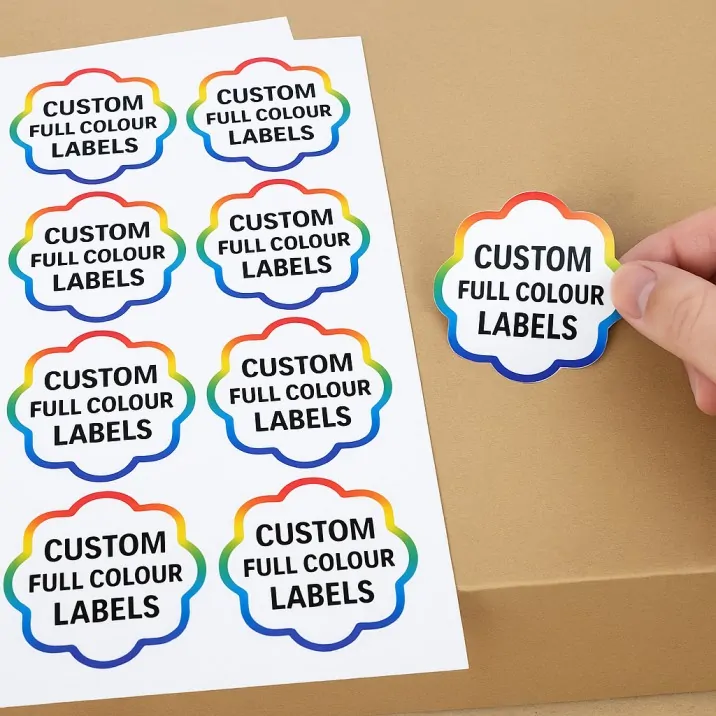
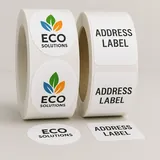
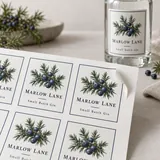
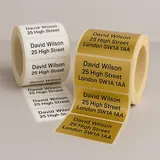
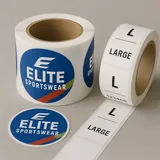
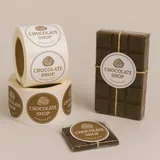
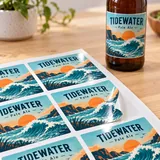
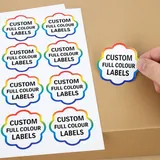
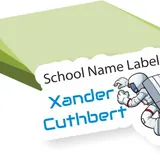
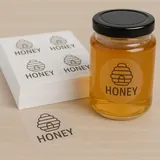
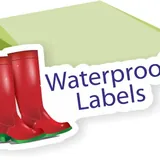
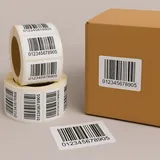
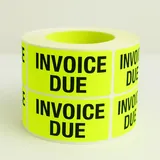
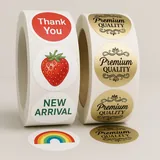
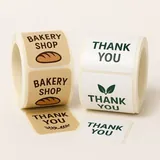
Modern labels can carry a small address, a product barcode or a full-colour brand design. The printing method, face material and adhesive need to work together. A paper label for a dry box and a vinyl label for a damp surface have different jobs.
From standard sizes to custom artwork
Online ordering makes it easier to choose a size and supply artwork, but the basic checks remain important: measure the space, choose the material for the conditions and review the design at actual size.
Compare white labels, custom printed stickers and waterproof labels for current options.