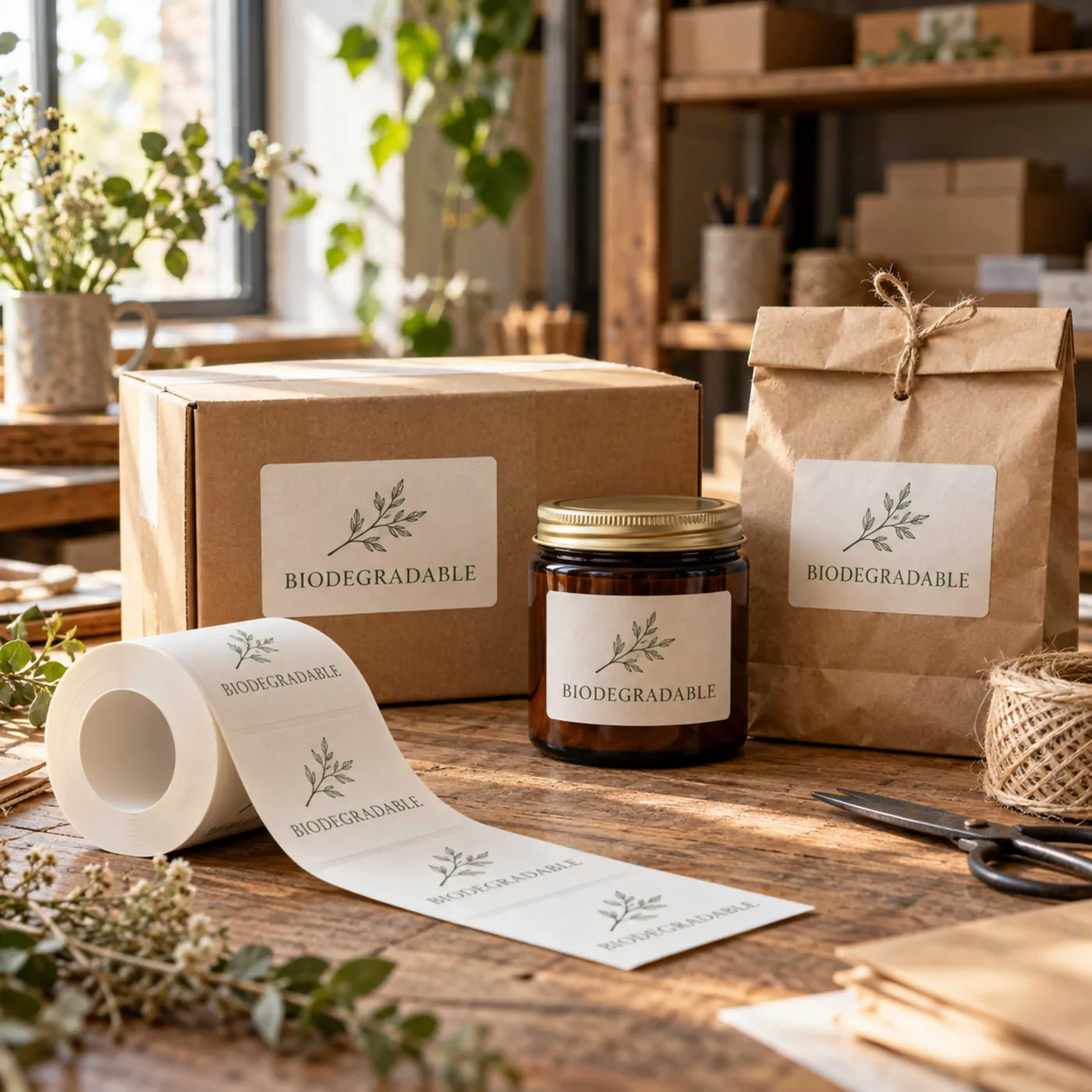

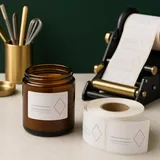

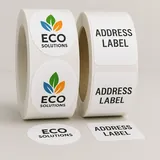
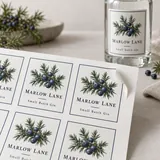







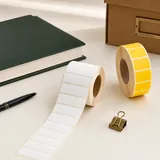

Recycled, recyclable, biodegradable and compostable describe different things. Choosing a label starts with the packaging it will be applied to and the disposal route available to the customer. A green-looking design does not prove an environmental benefit.
Recycled content is about the material’s origin
A label with recycled content uses recovered material in its manufacture. Check how much of the face material is recycled and whether the claim also covers the adhesive and backing. Do not assume the whole label assembly has the same composition.
Recyclability is about what happens after use
A label may affect how a bottle, jar or box is sorted and processed. Ask whether the face material and adhesive are compatible with the packaging’s intended recycling stream. Local collection rules matter too.
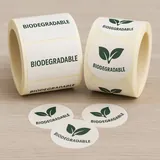
Biodegradable is not the same as compostable
A biodegradation claim needs conditions and timescales. A compostability claim needs evidence for the relevant system; industrial composting and home composting are different. Neither term is a reason to leave packaging outdoors.
Ask for evidence before making a claim
- Request a current specification for the exact material and adhesive.
- Check what a certification covers and whether it is still valid.
- Explain any disposal conditions clearly on the packaging.
- Avoid broad claims such as “harmless to the planet” without evidence.
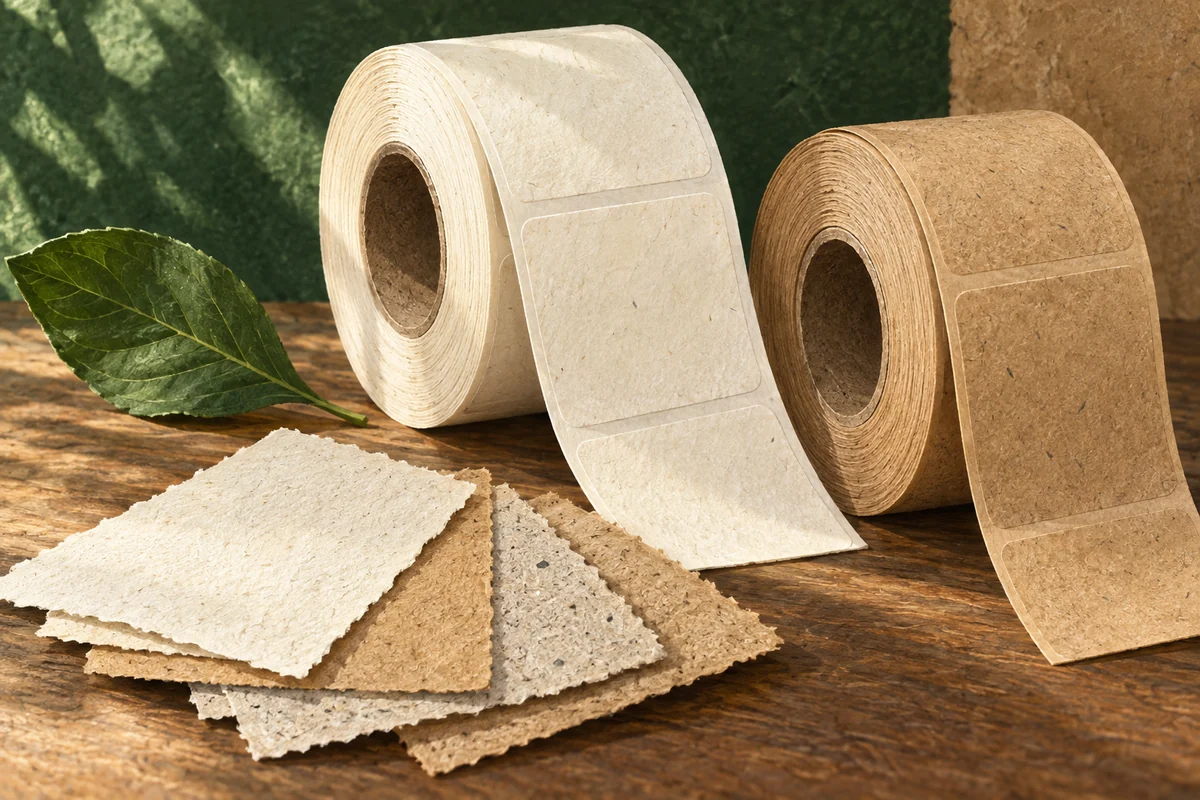
The biodegradable label range is a starting point for comparing available products. Confirm the specification for your intended use before describing the finished packaging as recyclable or compostable.
Sources and further reading
Competition and Markets Authority: Green Claims Code
Read the next guide
Continue with The Importance of Using Environmentally Friendly Labels.