
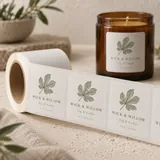
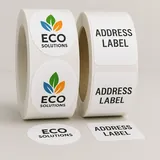
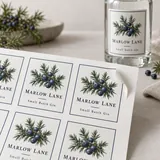
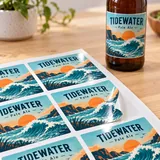
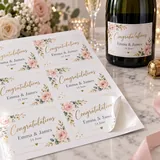
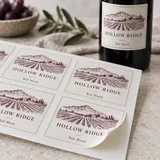
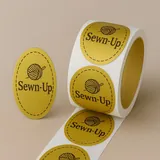
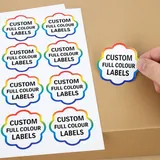
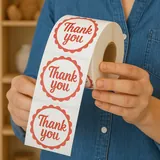

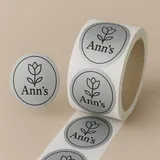

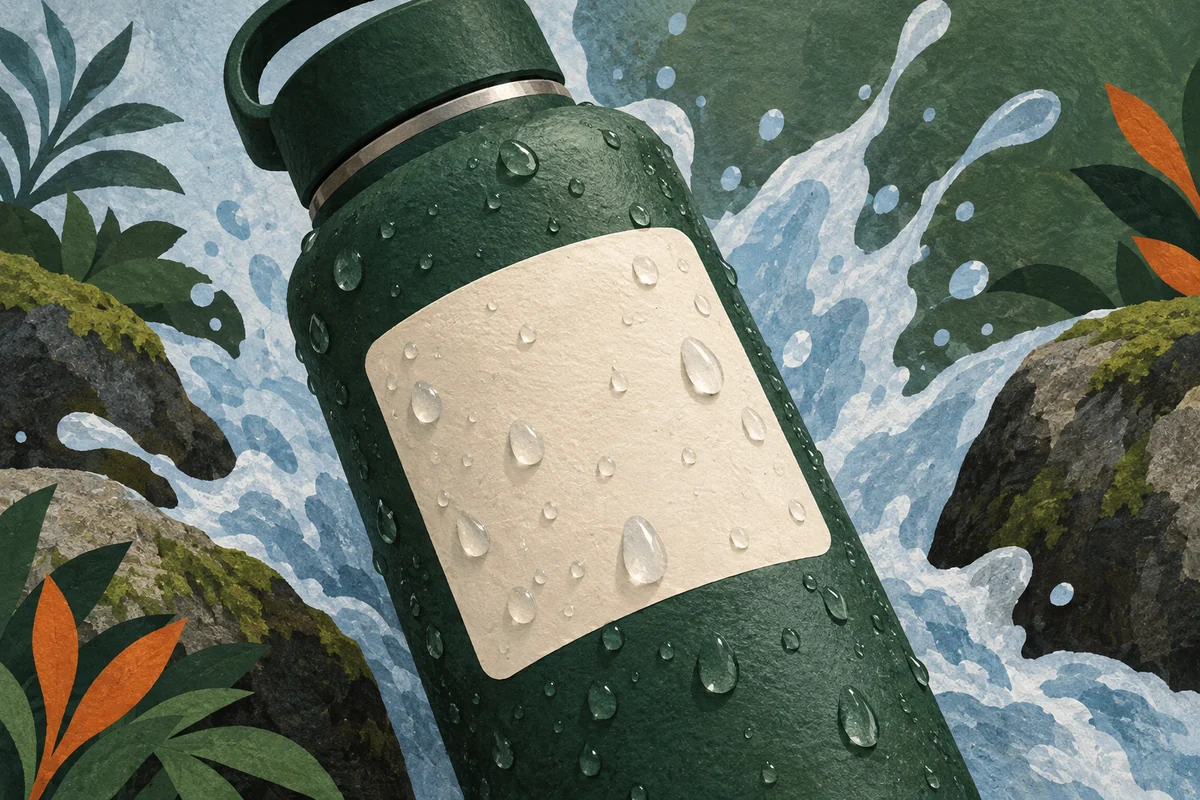
Waterproof labels are useful for everyday items that meet splashes, damp hands or outdoor weather. The best application starts with a suitable surface and a label specification that matches how the item will be used and cleaned.
Here are ten practical ideas for home, garden and hobbies. Check the current waterproof label range before ordering; unusual surfaces or conditions are worth discussing with the team.
1. Reusable water bottles
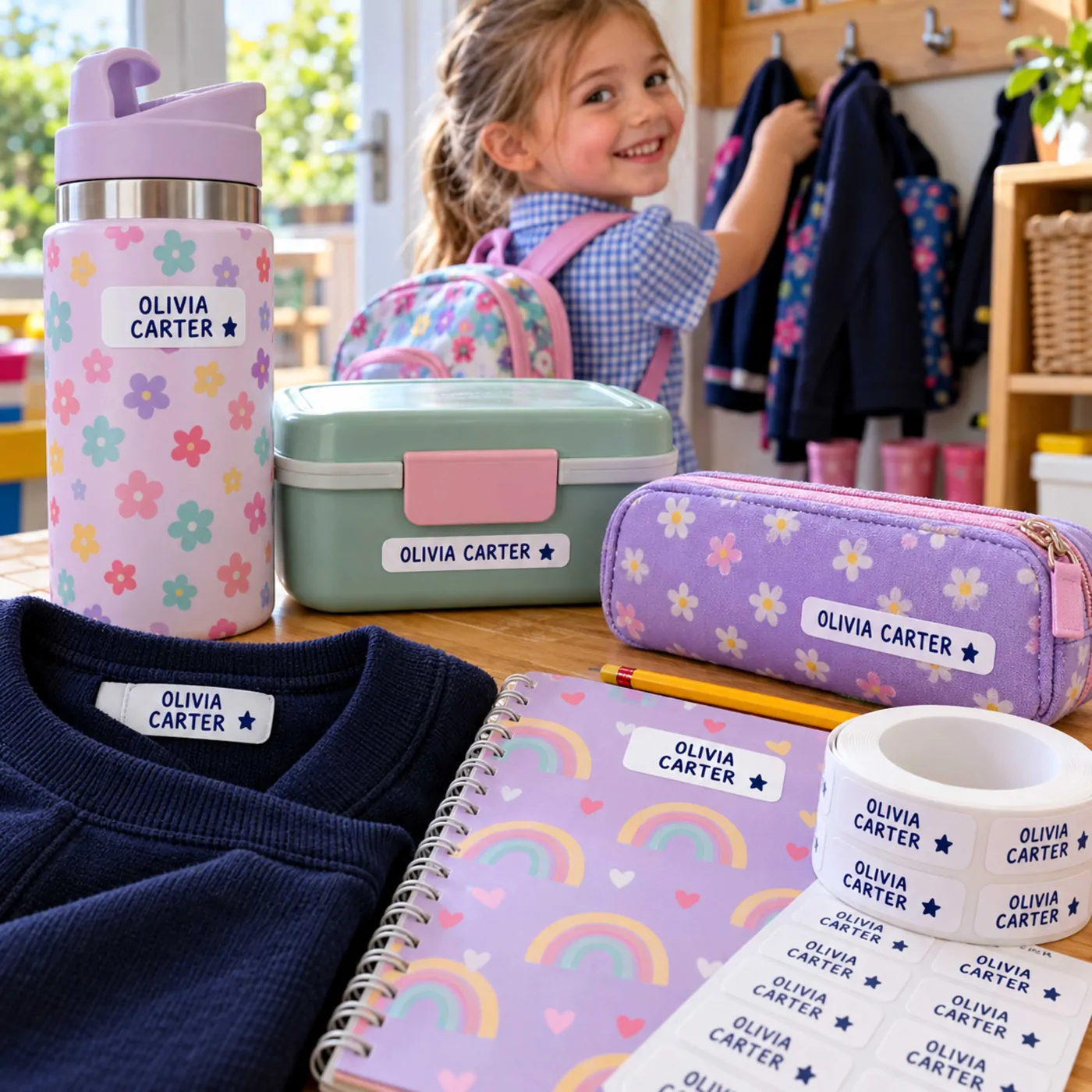
A name or simple design makes similar bottles easier to tell apart. Place the label on a smooth section rather than around a sharp curve or across a seam. Check the proposed cleaning method before choosing the material and adhesive.
2. Plant pots and herb containers
Label a pot with the plant variety, sowing date or owner’s name. Put the information where it remains visible as the plant grows. Test the label on the pot material, particularly if its surface is rough or stays damp.
3. Garden storage boxes
Identify seed packets, hand tools or supplies stored in suitable outdoor containers. A short description on the front is easier to spot than a long list in small print. Confirm outdoor suitability for the actual position and exposure.
4. Recycling and household bins
A clear label can show what belongs in a bin or mark its address. Use the collection rules for your local area, since accepted materials vary. Keep instructions brief and avoid placing a label over an existing council identifier.
5. Craft and hobby supplies
Label washable containers for paint, beads, tools or other materials. Choose a size that fits the flat part of the container. If the contents include chemicals, keep their original safety labels and instructions visible.
6. Home-made jars and bottles
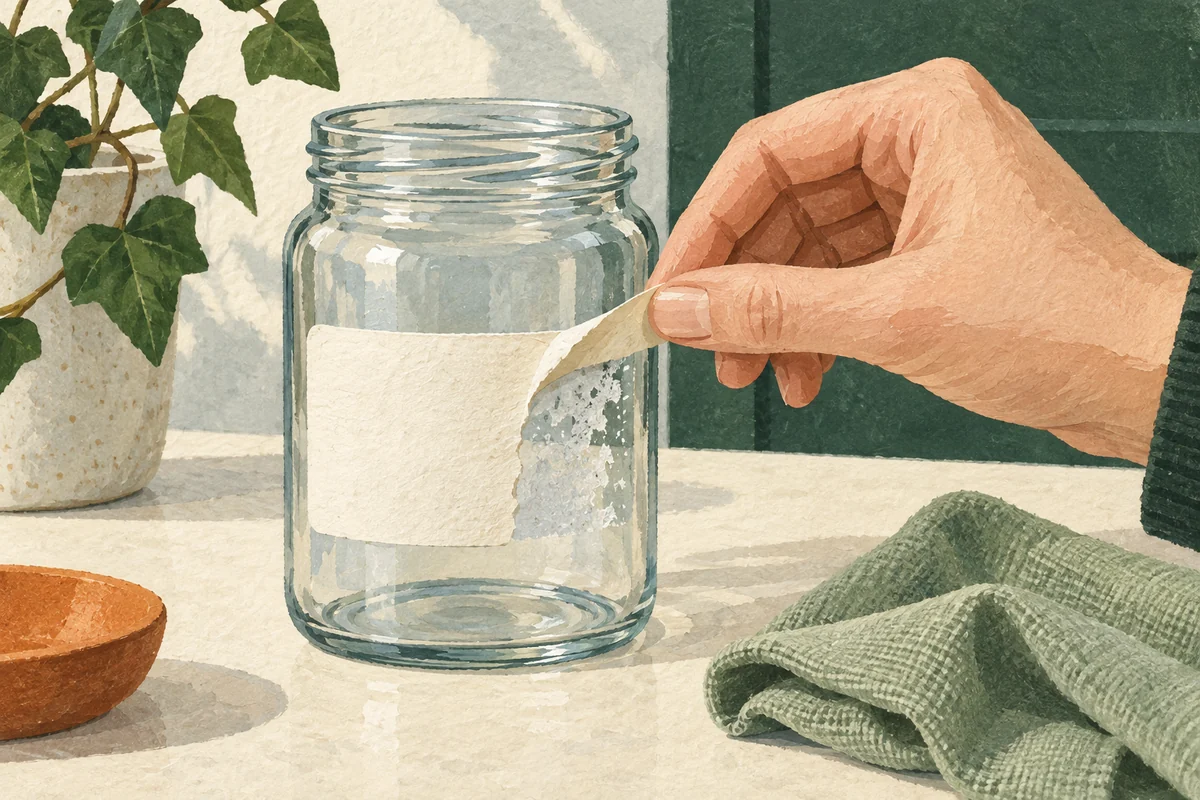
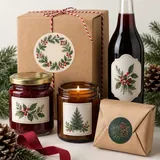
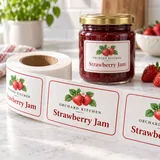
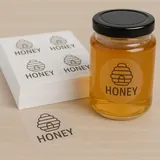
A product name, batch date and maker’s name can help identify a jar or bottle. A label chosen for damp handling or condensation may be useful here. If you sell or give away food, check the information the recipient needs as well as the appearance of the label.
7. Lunch boxes and reusable containers
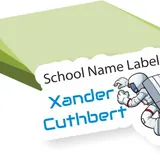
A name label helps distinguish similar boxes at school, work or a club. Check adhesion on the real plastic surface and confirm whether the label suits the way the box is cleaned. Keep it outside the food-contact area unless suitability for that use is confirmed.
8. Camping and outdoor storage
Identify hard-sided equipment cases or storage boxes with an owner name and contact detail. Test the proposed label on the case finish. Waterproof adhesive labels are not automatically fabric labels, so ask about specialist options for tents, clothing or flexible materials.
9. Sports and club equipment
Use a simple identifier on suitable bottles, boxes or equipment cases. Keep the label away from moving parts, grips, safety markings and surfaces where it could interfere with use. Follow the item’s instructions when choosing a location.
10. Shared storage at events
Mark reusable crates and boxes so volunteers can return them to the right team. A large name or colour cue is easier to read quickly than a detailed design. Consider whether the identification should be permanent or removable after the event.
Choose for the real conditions
Before ordering, note the surface, application temperature, likely exposure and cleaning method. Ask specifically about refrigeration, freezing, dishwashers, chemicals or prolonged immersion if any of those apply; do not infer suitability from the word “waterproof”.
Apply a sample according to the supplied instructions and check it under normal use. Contact Sticky Labels if you need help matching a label to your item.
Read the next guide
For equipment, packaging and other business applications, see six uses for waterproof vinyl labels.