
























PPI means Printed Postage Impression: a Royal Mail postage mark used by account customers instead of a conventional stamp. The printed mark is one part of a mailing process, not a substitute for arranging and paying for the postage service.
Start with Royal Mail’s current requirements
Royal Mail says you need a PPI licence. Use its current artwork generator and the design for the service you are sending with. Do not recreate the mark from an old photograph or change its proportions to fit a label.
Separate the address from the postage artwork
Plan the address and return address so both are clear. Check that any barcode and required clear areas remain unobstructed. The mailing service determines the required layout; a general decorative label template cannot do that for you.
Check before a large print run
- Confirm your account, licence details and chosen service with Royal Mail.
- Download the current official artwork.
- Check the mark, clear space and print quality at actual size.
- Follow the account’s preparation and handover instructions.
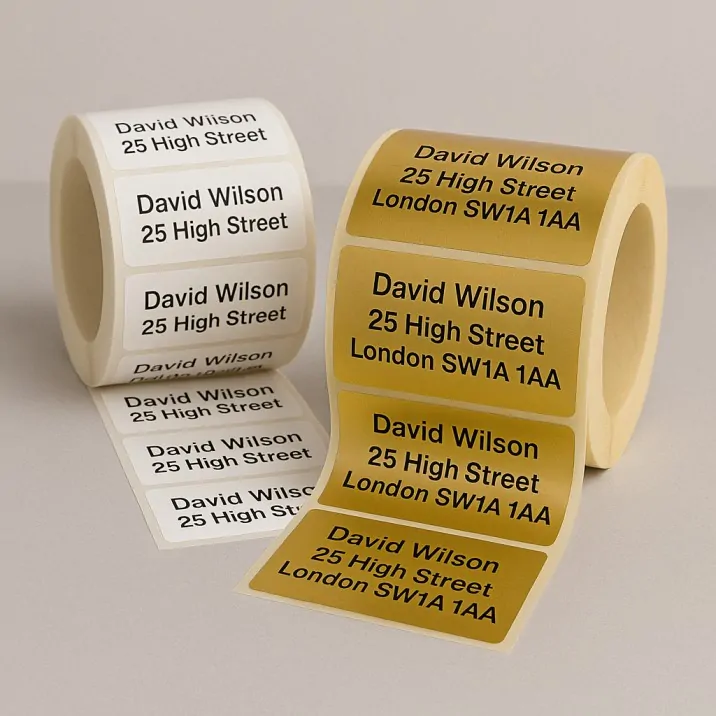
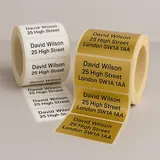
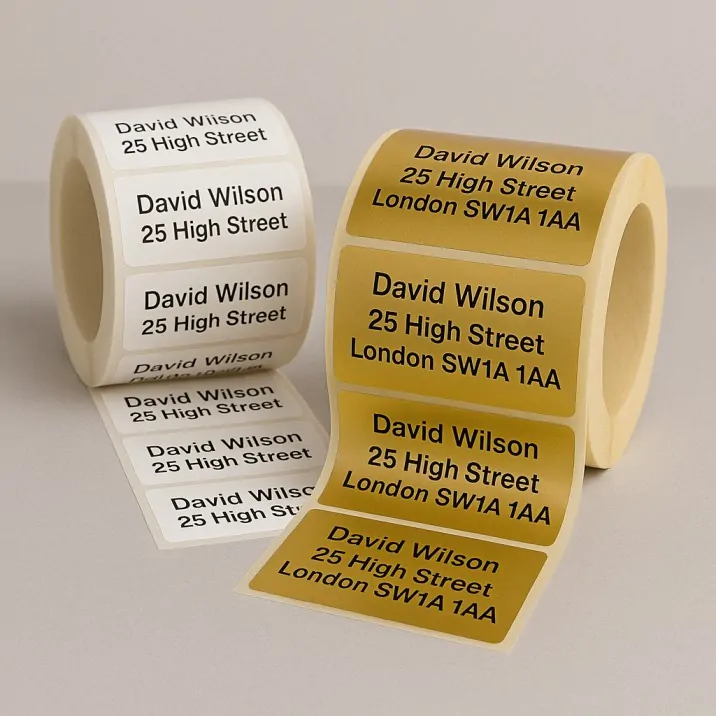
For the surrounding mailing layout, printed address labels can help keep sender details consistent. Contact the print team with the finished Royal Mail artwork if you need advice on reproducing it. Confirm current options rather than relying on old service names or assumed discounts.
Sources and further reading
Royal Mail: PPI design changes guide (PDF)
Read the next guide
For business labelling, continue with Royal Mail PPI labels.