





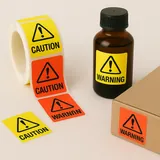
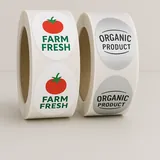
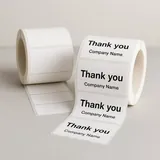
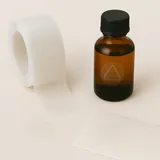


The safest way to remove sticky label residue is to start gently and match the method to the surface. A glass jar, painted cupboard and plastic case will not react in the same way. Test an inconspicuous area first and follow the item manufacturer’s cleaning instructions.
1. Read the care instructions
Check whether the surface can tolerate water, warmth or cleaning products. Keep liquids away from electrical equipment and do not soak an item that is not designed to be immersed.
2. Lift the paper slowly
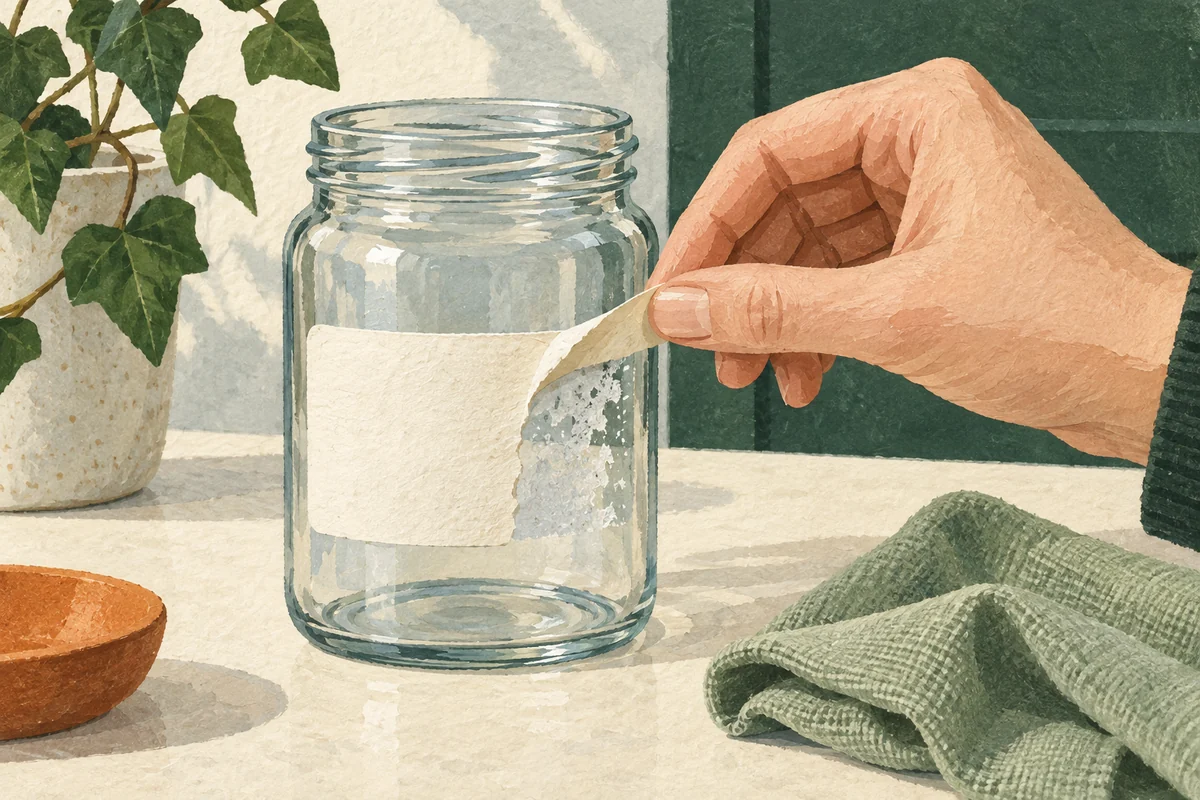
Peel from one corner and pull back gently. Use your fingers or a suitable plastic scraper rather than a metal blade that can scratch the surface.
3. Try a damp cloth
For a washable surface, a cloth with warm water may soften remaining paper. Give it time to work instead of scraping harder.
4. Add mild washing-up liquid
A small amount can help clean a washable item after the paper is removed. Rinse away detergent and dry the surface.
5. Use gentle warmth only if allowed
Mild warmth can soften some adhesives. Avoid boiling water, steam and high heat on plastic, coatings or fragile items. Stop if the surface changes.
6. Try a little cooking oil on suitable surfaces
On a non-porous, washable surface, a small amount may loosen residue. Oil can stain wood, paper, fabric and porous materials, so do not use it on those surfaces without specific care guidance.
7. Roll residue away
Once softened, rub gently with a fingertip or soft cloth. Work in small areas rather than spreading adhesive across the item.
8. Choose a compatible adhesive remover
If the gentle methods fail, use a purpose-made product approved for the surface. Follow its label, ventilation and handling instructions. Do not improvise with fuel or mix cleaning chemicals.
9. Wash and inspect
Remove cleaner residue using the manufacturer’s recommended method. Food-contact items need suitable cleaning before reuse.
10. Plan for easier removal next time
Ask about a suitable removable adhesive and test it on the real surface. Custom labels should be chosen for their application, and a permanent adhesive is usually harder to remove than one designed for temporary identification.
Read the next guide
For materials & durability, continue with Waterproof Stickers and Their Uses.