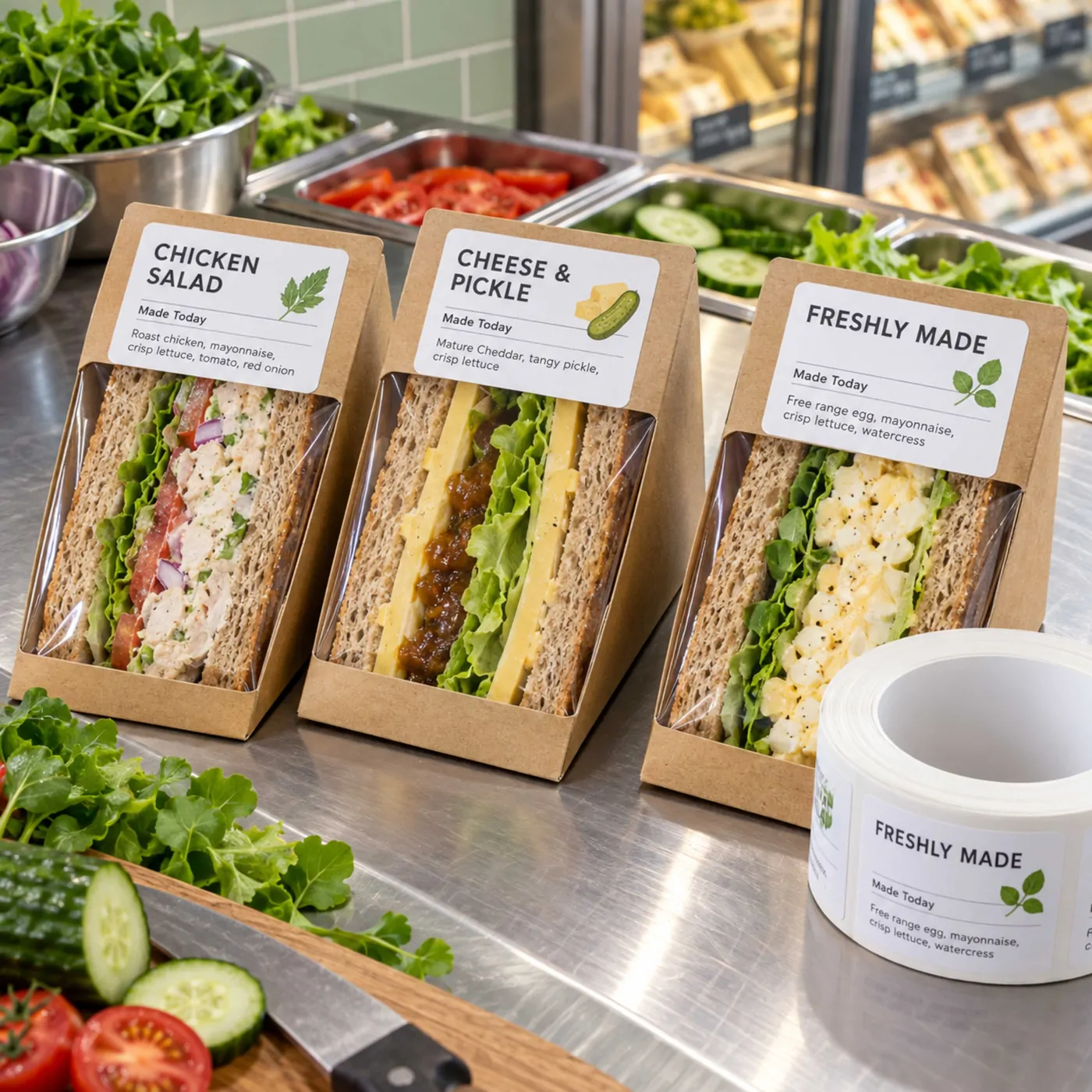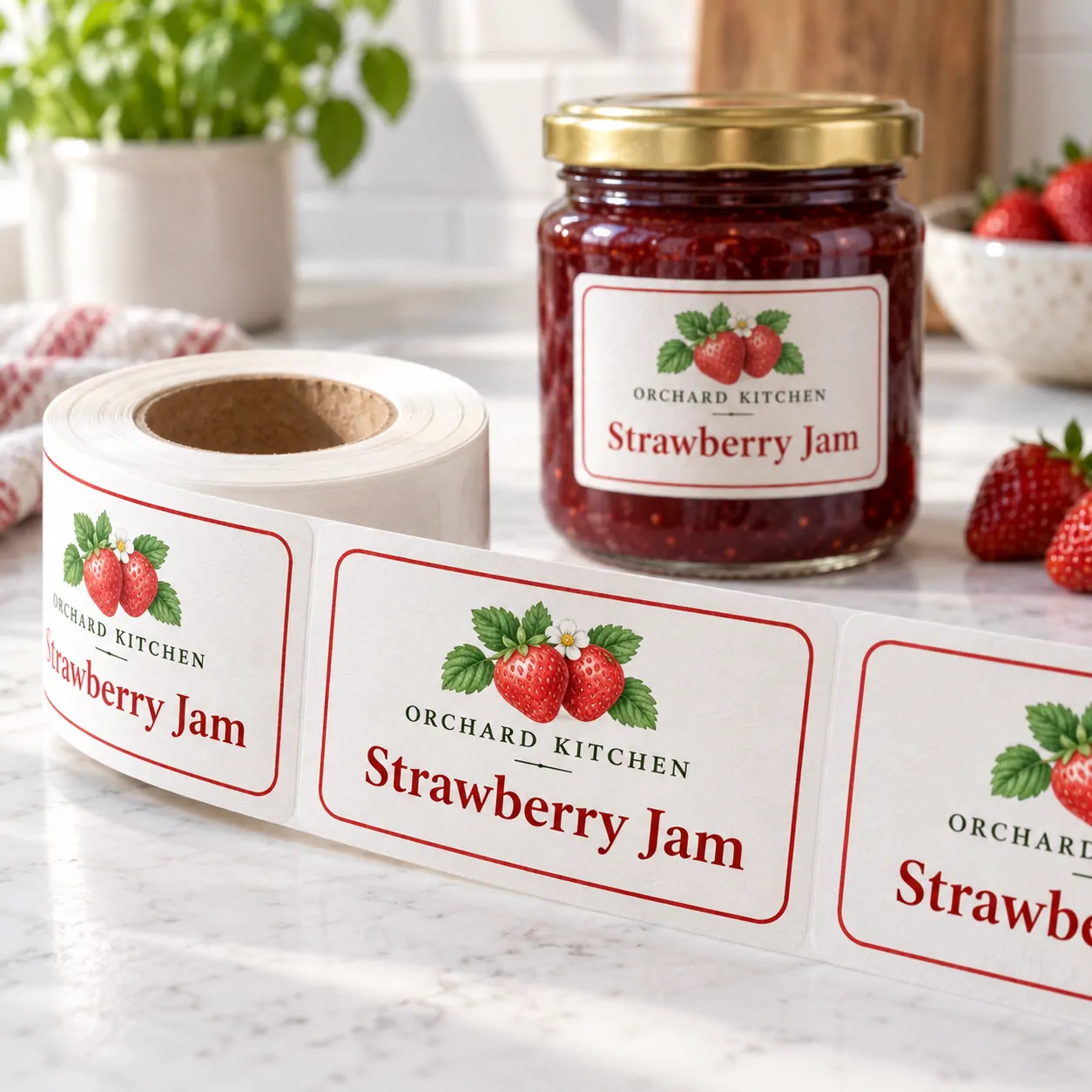













Clear food labels help people compare products and identify ingredients. Good design gives the essential information enough room, instead of making readers search through decorative packaging.
Put required information first
Food labelling requirements depend on how the food is sold and packaged. Use the current guidance for your product rather than treating a general label design as a compliance checklist.
Make the information easy to find
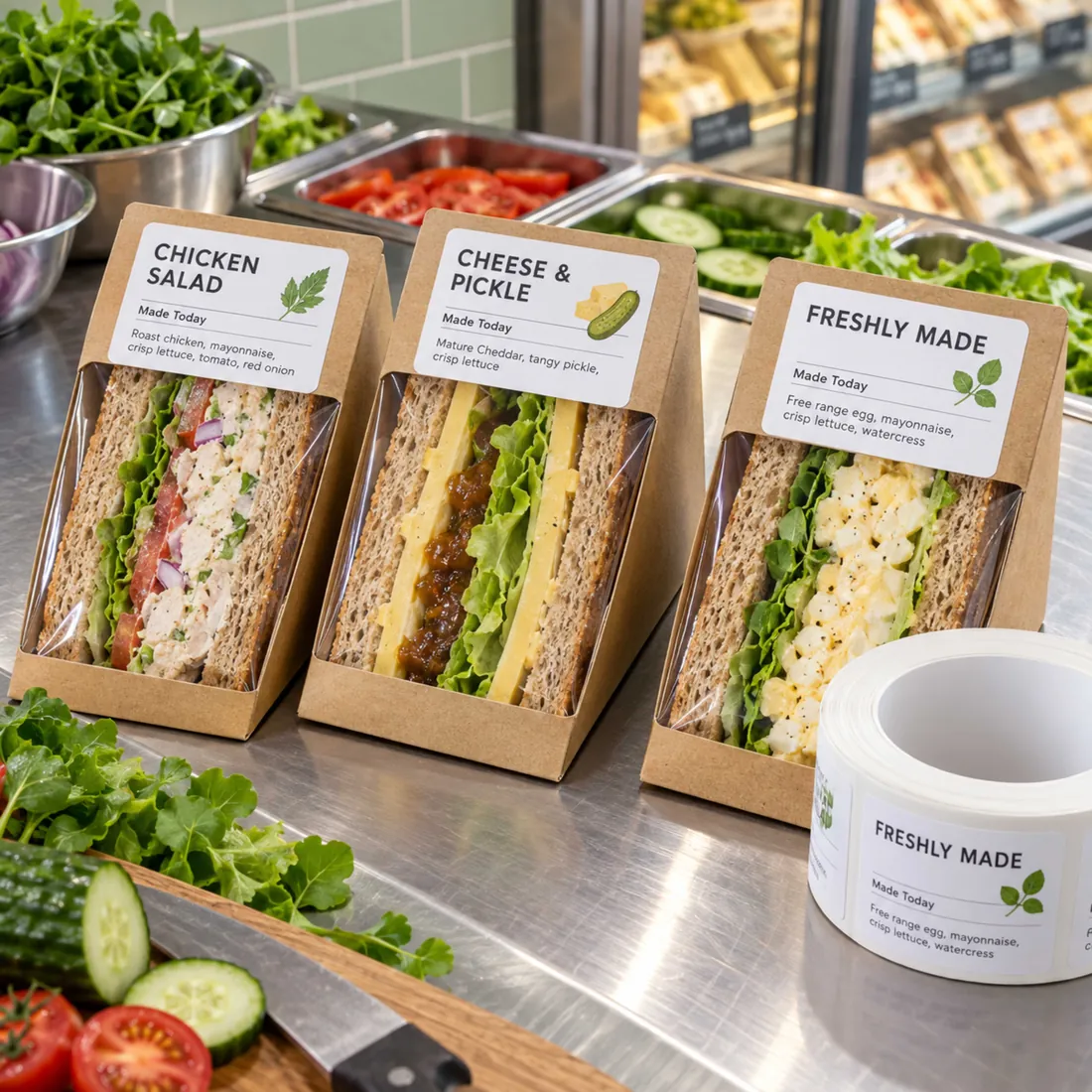
Use a consistent layout for ingredients, storage instructions and other required details. Strong contrast and sensible spacing help readers locate the information. Do not squeeze it into a small corner after the branding is finished.
Keep claims specific
A colour scheme or a picture of fruit does not establish nutritional quality. Any claim should describe the actual product and be supported by the information required for that claim.
Check artwork when recipes change
A new ingredient or supplier can make old artwork inaccurate. Keep the recipe and approved label version together, and retire obsolete files before the next print run.
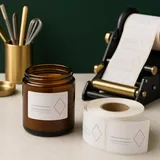
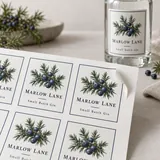
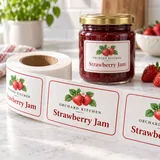
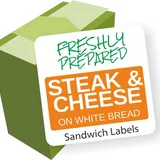
Explore sandwich labels and jar labels for application ideas, then confirm the information your food business needs to provide.
Sources and further reading
Food Standards Agency: allergen labelling guidance
Read the next guide
For business labelling, continue with Five Ways Labels are Crucial to Modern Life.