


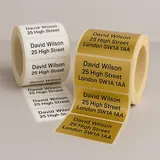
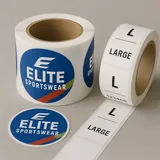

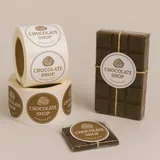

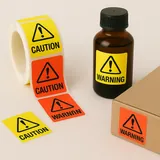
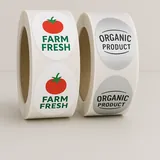

Correct labelling begins with accurate product information. A beautifully printed label can still cause problems if its ingredients, warnings, identifying codes or supplier details are wrong.
Identify the rules for the product
Requirements differ between food, chemicals and other goods, and can differ by market. Start with the relevant regulator and the product’s current specification. A label printer reproduces the artwork; it does not determine the product’s legal classification.
Keep one approved artwork version
Store the approved text and design with a version date. When a recipe, supplier, warning or contact detail changes, update the file and remove obsolete copies from the ordering workflow.
Check the information at actual size
- Read every line for spelling and accuracy.
- Confirm product codes against your stock records.
- Check that important information is legible.
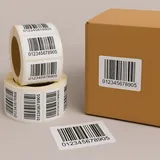
- Test a barcode or QR code with the device used in practice.
- Confirm the label will remain readable on the intended surface.
Use the right source of guidance
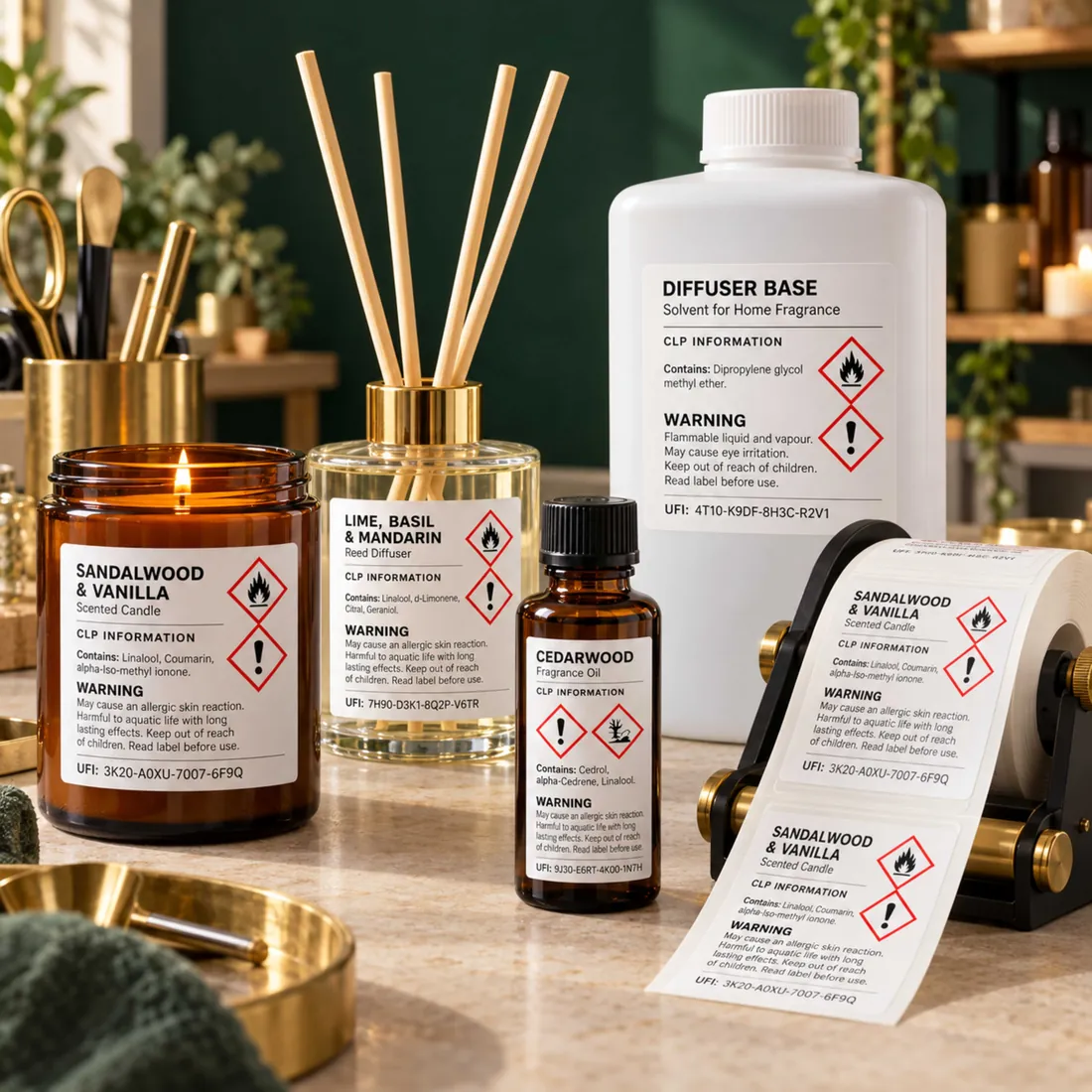
For food, consult current food labelling guidance and the Food Standards Agency. For chemical products, check CLP labelling and the relevant HSE guidance.
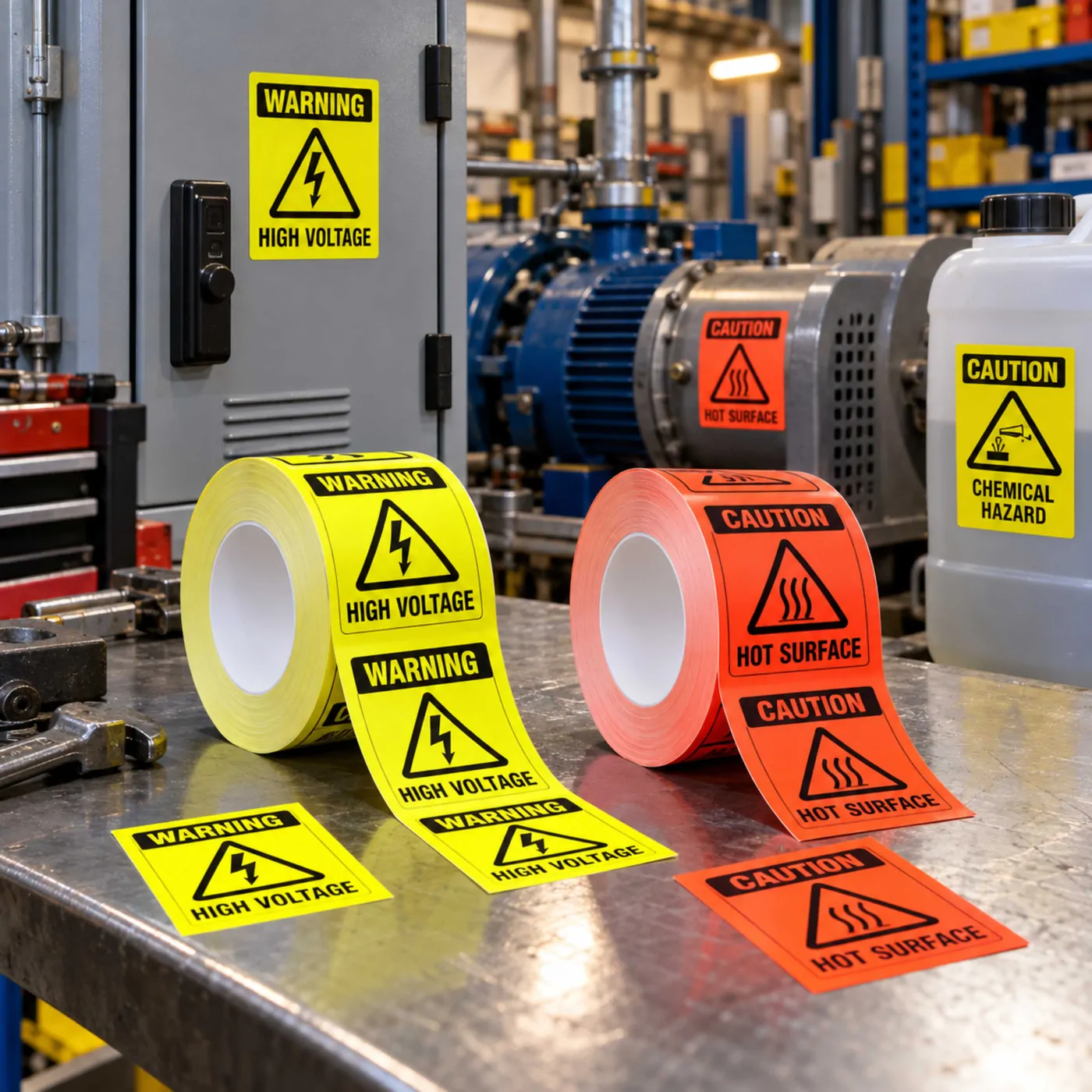
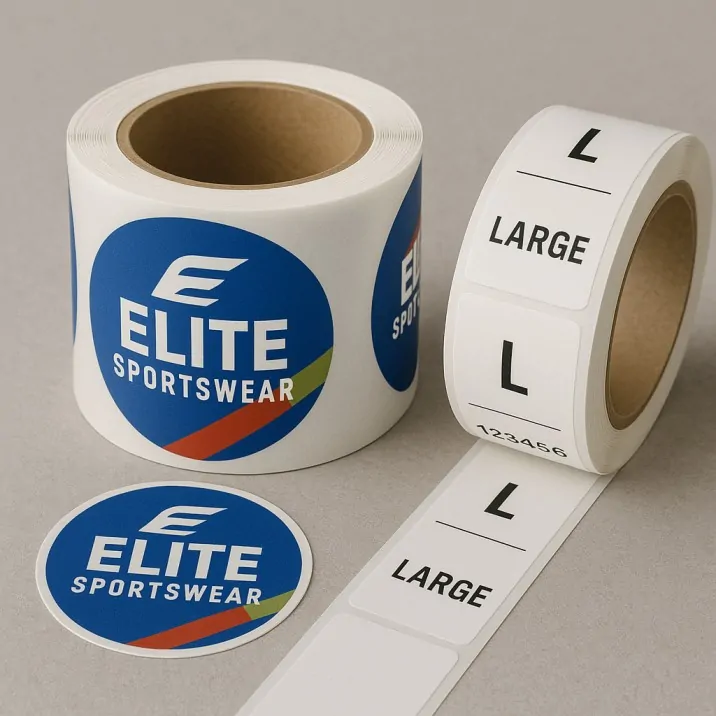
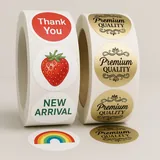
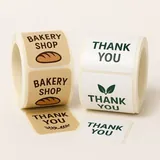
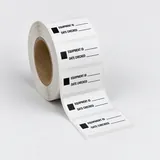
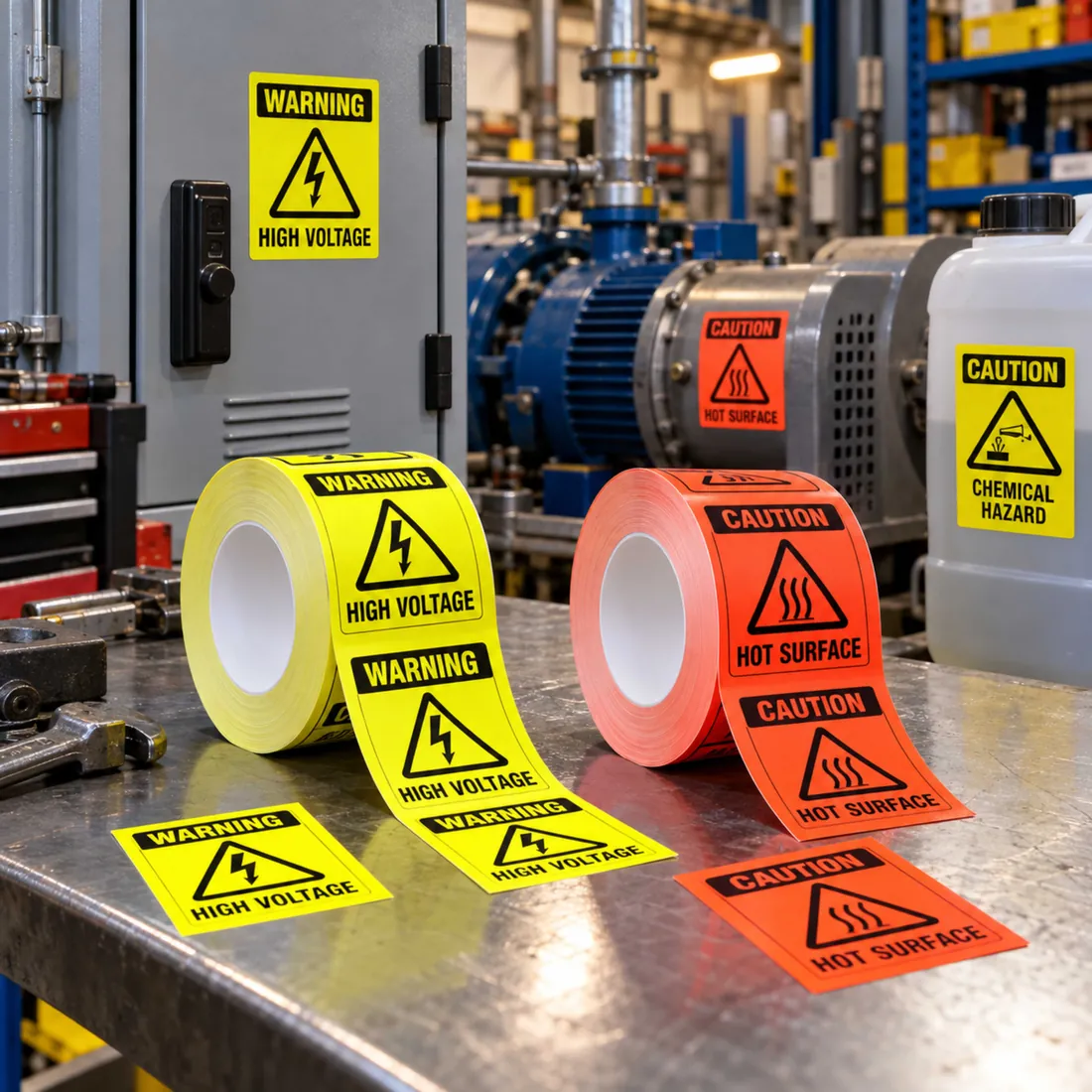
Browse warning labels or retail labels after the information and artwork have been approved for your application.
Sources and further reading
Read the next guide
For business labelling, continue with Five Ways Labels are Crucial to Modern Life.